The Future of the UK Reclamation Yard: From Local Salvage Yard to Digital Materials Marketplace
2026-09-02
The Future of the UK Reclamation Yard: From Local Salvage Yard to Digital Materials Marketplace
Reclamation yards have connected old building materials with new projects for generations. The next step may be combining that physical expertise with better digital discovery, stock information and nationwide reach.
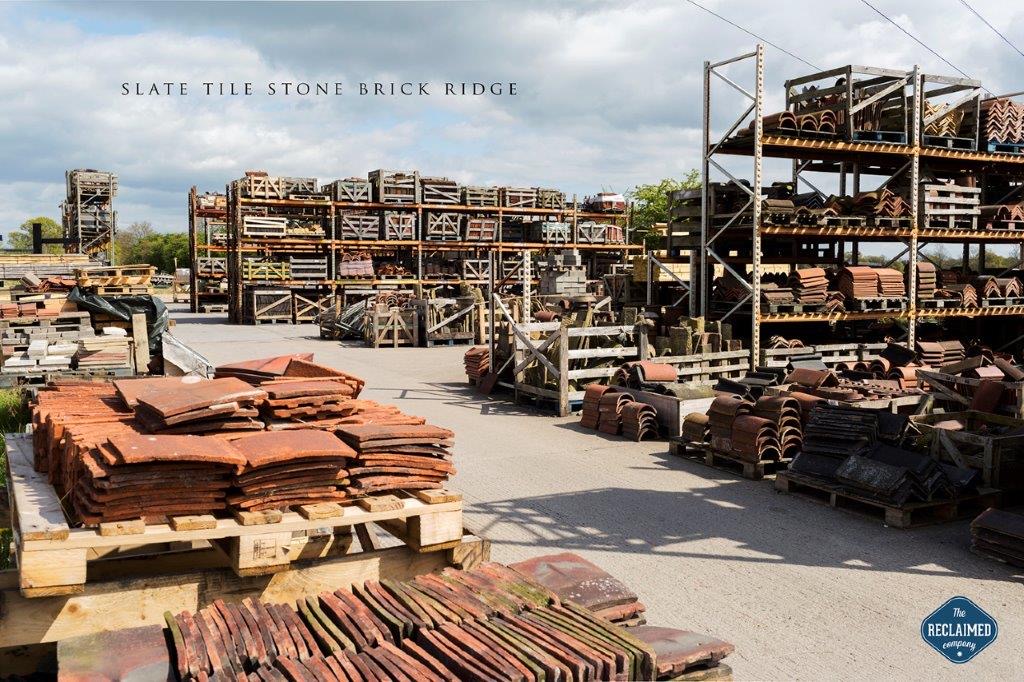
For generations, reclamation yards have provided somewhere for bricks, timber, stone, tiles, fireplaces, doors and architectural features to be recovered, stored and eventually matched with another project.
That physical role is unlikely to disappear.
But the way reclaimed materials are discovered, understood and purchased could change significantly.
The future may not be about replacing the traditional reclamation yard. It may be about connecting it to a much better digital marketplace.
The reclamation yard still solves a very physical problem
Reclaimed building materials are not standard retail products. They arrive in different quantities, dimensions, conditions, colours and levels of weathering.
Some have clear origins. Others may have little surviving information about where they came from.
Receive useful materials from demolition, refurbishment and other projects.
Clean, inspect, sort and measure materials before they return to use.
Keep bulky and often irregular stock safe until the right project appears.
Use specialist knowledge to connect the right material with the right building.
The physical infrastructure matters because reclaimed materials still need somewhere to exist between their first building and their next one.
The work between recovery and resale matters too. Read more about how reclaimed building materials are cleaned and prepared for reuse.
The limitation has often been discovery
Traditionally, finding reclaimed materials could depend heavily on geography.
A customer might visit several local yards, make phone calls or rely on specialist knowledge to find the right product.
That works when the buyer already knows where to look. It becomes much harder when the exact brick, slate, stone size or architectural feature they need is sitting in a yard hundreds of miles away.
If reclaimed stock can be searched online, the potential market for an individual batch becomes much larger than the customers who happen to live nearby.
A digital marketplace is more than an online shop
Simply uploading a photograph and a price does not solve every problem.
Reclaimed materials often need considerably more information than a standard new product.
A useful reclaimed-material listing could show:
For reclaimed materials, good data increasingly becomes part of the product.
The better the information, the easier it becomes for a buyer to decide whether that stock is actually suitable for their project.
Digital stock could make matching much easier
One of the strongest uses of reclaimed materials is matching existing and historic buildings.
A restoration project may need bricks with a particular size and colour, slates of a certain thickness or stone with the right weathered appearance.
A digital catalogue could allow available stock to be filtered by dimensions, material type, colour, quantity and location before a customer ever visits a yard.
Digital tools do not remove the need for specialist judgement. They reduce the amount of irrelevant material a buyer has to search through first.
Photography becomes part of the buying experience
In a physical yard, customers can walk around, pick up materials and compare them directly.
Online, photographs have to perform much of that role.
For reclaimed materials, photography should reveal texture, weathering, edges, colour variation, condition and scale — not simply make the product look attractive.
Provenance could become easier to preserve
Reclaimed materials often carry information that can disappear as they move through the supply chain.
A batch of bricks may have come from a particular factory. Stone may have a known regional origin. Timber may have been recovered from a documented historic building.
Maker's marks, previous use and location can all contribute to the provenance and story behind a reclaimed material.
A digital stock record can preserve dimensions, condition, quantity, location and genuinely known provenance for the material's next life.
Buildings could become sources of future inventory
The digital opportunity begins before materials even arrive at a reclamation yard.
Pre-demolition audits and selective deconstruction can identify reusable products while they are still inside buildings.
In the future, some stock could potentially be identified and marketed before it has even been removed from site.
The more effectively supply and demand can be connected, the easier direct reuse becomes.
Reclamation yards could become information hubs
Physical stock remains central, but knowledge becomes increasingly valuable too.
- What material it has
- Where it came from
- Its dimensions and condition
- How much is available
- What applications it may suit
- Where demand exists
- How it can be transported
Inventory management and material data could therefore become far more important than they have traditionally been.
But logistics remain one of the biggest challenges
Finding a material online is only the first step.
Bricks, stone, tiles and timber are heavy, bulky products. Transport can quickly become a significant part of the cost of a reclaimed purchase.
That means location must form part of the digital marketplace.
In some cases, better online discovery could actually strengthen local reuse by helping customers identify suitable materials already available nearby.
The physical yard is unlikely to disappear
Digitalisation does not mean reclamation becomes completely virtual.
Materials still need to be recovered, handled, cleaned, sorted and stored. Customers may still want to inspect important purchases in person, while experienced staff can recognise differences that are difficult to communicate through a screen.
Stock, recovery, preparation, storage, expertise and logistics.
Discovery, search, data, photography, provenance and wider reach.
Better stock visibility could increase reuse
One of the biggest barriers to material reuse is not always a lack of suitable stock.
Sometimes the right buyer simply does not know that material exists.
A restoration project may purchase newly manufactured bricks because suitable reclaimed ones cannot be found quickly enough. A demolition project may dispose of usable material because no buyer has been identified in time.
Better visibility can help reduce that information gap.
The market could become more connected
The UK Green Building Council has highlighted the development of secondary-material marketplaces and reuse hubs as part of a more circular construction economy.
Reclamation yards, demolition contractors, architects, builders, roofers, developers and homeowners could all potentially interact through better material information.
The result does not necessarily need to be one marketplace controlling everything.
It could instead be a network of physical reclamation businesses whose stock becomes much easier to discover digitally.
Specialist knowledge still creates an advantage
Technology can organise information, but it cannot replace every part of reclamation expertise.
Knowing whether an old brick is likely to match a property, understanding differences between roofing materials or recognising a period architectural feature still requires experience.
The strongest digital reclamation businesses may be those that combine technology with genuine materials knowledge.
The opportunity is bigger than selling antiques
Architectural reclamation is sometimes associated primarily with fireplaces, decorative pieces and unusual antiques.
Those products remain important, but the wider opportunity also includes everyday construction materials.
Reclaimed timber, bricks, roofing products, paving and stone can all form part of a broader secondary-materials economy.
Circular construction could increase the importance of reclamation
The wider construction industry is facing growing pressure to think differently about resources.
Embodied carbon and whole-life carbon, waste reduction, material prices and construction-product reform are increasing attention on what happens to materials before and after their first use.
Reclamation already provides part of the infrastructure required to keep materials circulating within a more circular economy.
From local stock to searchable material networks
Britain already has enormous quantities of valuable material sitting within existing buildings and reclamation yards.
The challenge is not simply preserving those materials.
It is making sure the people who need them can actually find them.
Physical yards can continue to recover, prepare and store materials.
Digital systems can make that stock searchable, documented and accessible to a wider market.
The material remains physical.
The marketplace around it becomes digital.
Have reclaimed building materials to sell?
Quality building materials deserve the opportunity to become part of another project.
Sell Reclaimed Materials →