
The Reclaimed Timber Revival: Why British Homes Are Falling Back in Love with Real Wood
2026-09-02
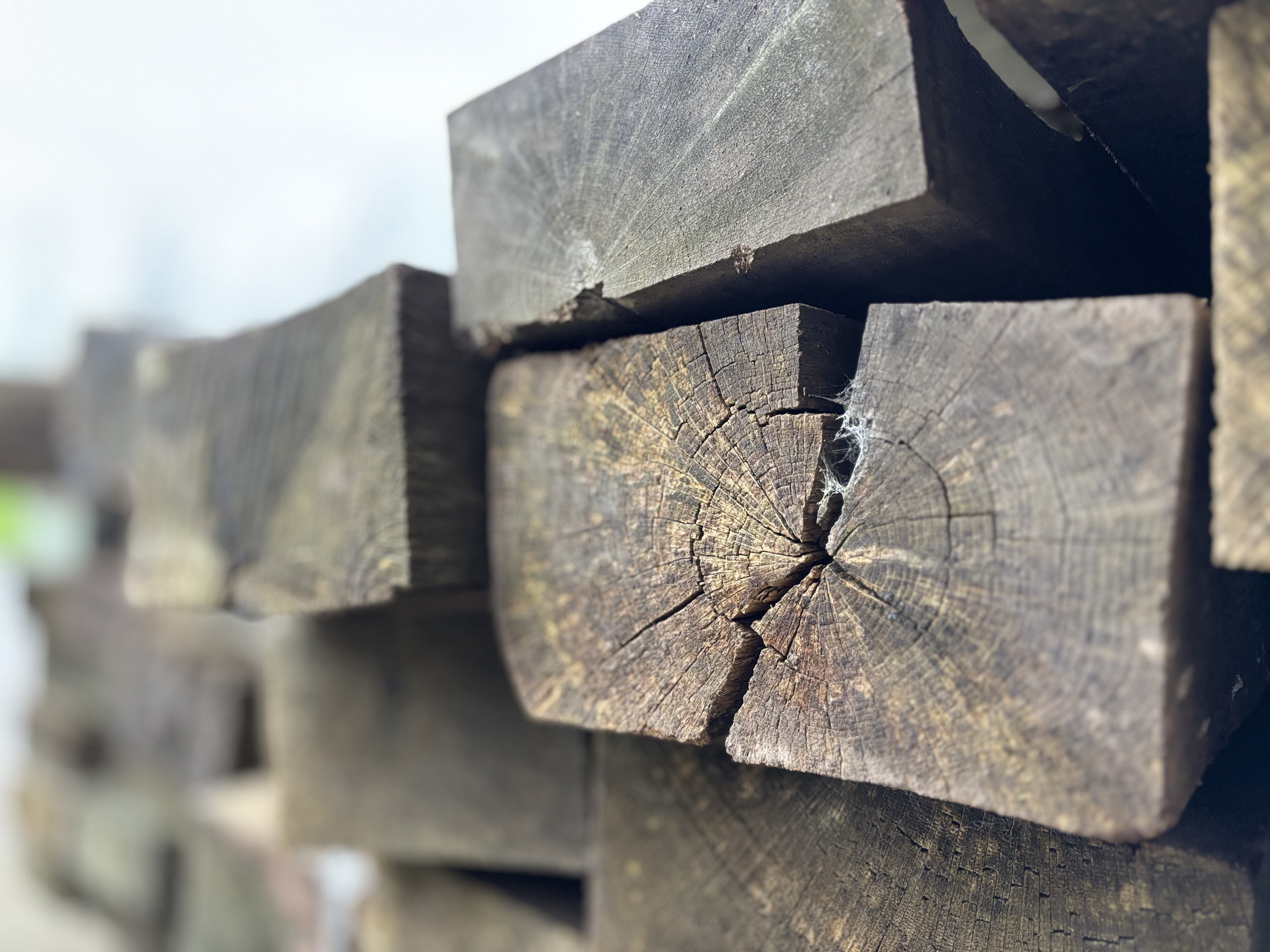
The Reclaimed Timber Revival: Why British Homes Are Falling Back in Love With Real Wood
British interiors are rediscovering visible grain, darker timber, natural surfaces and materials with genuine character. For reclaimed wood, that means old beams, boards, doors and structural timber are becoming relevant again.
For years, perfectly finished surfaces and newly manufactured materials dominated British interiors.
But tastes are changing.
Across renovations, extensions and interior design, homeowners are increasingly looking for natural materials, visible grain, darker woods and features that give a property genuine character.
That shift is creating renewed interest in one of Britain's oldest building materials: timber — and particularly timber that has already had a life.
From old floorboards and structural beams to reclaimed doors, joists and architectural timber, previously used wood is increasingly relevant to both the design and sustainability of British buildings.
British homeowners are rediscovering wood
Recent design data points towards a clear change in what homeowners are searching for.
These numbers measure search interest rather than reclaimed timber sales, but they indicate a wider shift towards natural wood, visible timber and traditional materials in British homes.
The marks, colour variation, grain and ageing once viewed as imperfections can be precisely what gives reclaimed timber its appeal.
Why choose reclaimed timber?
There is no single reason to choose reclaimed wood.
Its attraction comes from a combination of appearance, history, sustainability and practicality.
Real wear, grain, markings and ageing developed over time.
The material has already formed part of another building or object.
Useful timber remains in circulation rather than immediately becoming waste.
Old wood can work in restoration, interiors, furniture and contemporary design.
Character that new timber cannot easily reproduce
A reclaimed timber board can carry evidence of decades — and sometimes considerably longer — of previous use.
These characteristics create a finish that is difficult to manufacture artificially.
Consistency can be useful, but the material has not yet developed the visual evidence of age and use.
Surface marks, grain and colour have developed naturally through its first life.
This makes reclaimed timber particularly suited to projects where homeowners want a building to feel established rather than newly manufactured.
In older properties, carefully selected reclaimed timber can sometimes sit more naturally alongside existing features than a perfectly uniform modern replacement.
Keeping useful material in use for longer
The environmental argument for timber reuse is also becoming increasingly important.
Timber stores carbon absorbed while the tree grows.
Timber Development UK argues that keeping timber within the built environment for longer extends this carbon storage and can reduce demand for virgin materials.
Rather than treating timber removed during refurbishment or demolition as waste, reclamation provides an opportunity for that material to begin another useful life.
Reclaimed timber fits a wider move away from “take, make, dispose” and towards keeping valuable materials in use for as long as practicable.
From demolition to deconstruction
One of the biggest opportunities for reclaimed timber may begin before a building even reaches the reclamation yard.
Traditional demolition is designed primarily to bring a building down efficiently.
Deconstruction takes a different approach.
Recognise timber that may be suitable for recovery.
Protect material from avoidable damage.
Keep recovered timber organised and accessible.
De-nail, assess, grade or recondition where needed.
Return usable timber to the market.
Recent UK research into salvaging timber from existing buildings found significant opportunities to develop a stronger reclaimed timber value chain.
Researchers identified relatively few fundamental technical barriers to salvaging timber itself.
A piece of timber may have many years of useful life remaining. Whether it becomes a reusable product or waste can depend on how the building is taken apart.
Where can reclaimed timber be used?
Reclaimed timber is not one single product.
Depending on its dimensions, condition, previous treatment and suitability, recovered wood can find a new purpose across a wide range of projects.
Not every reclaimed timber element will suit every application. Structural uses in particular require appropriate assessment, grading and professional specification.
The range of possible uses means that timber unsuitable for one purpose may still be valuable for another.
The challenge: making reclaimed timber easier to reuse
Despite its potential, reclaimed timber presents challenges that newly manufactured standardised products often do not.
Stock depends on what is recovered and when.
Older timber rarely arrives in perfectly standardised sizes.
Paints, coatings or preservatives may need to be understood.
Recovery can leave metalwork that needs removal.
Previous use may not always be documented.
Load-bearing reuse may require grading or specialist advice.
Research into the UK reclaimed timber supply chain has highlighted many of these issues.
Reclaimed timber also needs to be identified, prepared, accurately described and connected with the people who can use it.
Preparation turns recovered wood into usable stock
Timber leaving a building may not be ready to go directly into its next project.
Good preparation makes reclaimed timber understandable and usable while preserving the character that makes it distinct.
Better information could transform the reclaimed timber market
This is where the next stage of the reclamation industry could become particularly interesting.
Very little information for a buyer to assess.
Dimensions, quantity, condition, location, previous use and clear photography.
Better information makes reclaimed materials easier to compare, specify and purchase.
As construction becomes more focused on traceability, whole-life carbon and circularity, documenting reclaimed materials could become almost as important as recovering them.
Old material, modern demand
The renewed interest in timber is not simply about recreating historic interiors.
Reclaimed wood increasingly appears alongside contemporary materials and modern architecture.
A reclaimed beam can become the defining feature of a completely new space.
Old boards can introduce warmth and natural variation beneath cleaner contemporary forms.
Recovered wood can become a table, worktop or fitted piece rather than being discarded.
This combination of old material and new design is one of the reasons reclaimed timber has such broad potential.
Reclaimed timber can be used to restore the past, but it can equally become part of something entirely new.
Timber that still has a useful life should be treated as a resource
The growing interest in natural wood, the increasing importance of circular construction and the enormous quantity of material passing through refurbishment and demolition all point in the same direction.
Timber that still has a useful life should increasingly be viewed as a resource rather than simply as waste.
The challenge for the reclaimed industry is to make that resource easier to recover, identify, find and reuse.
For homeowners, architects, designers and tradespeople, that creates an opportunity for materials with genuine history to become part of the next generation of British buildings.
Have reclaimed timber or building materials to sell?
Quality timber from refurbishment, demolition, surplus stock or previous projects could have another useful life ahead of it.
Sell Reclaimed Materials →