
Reclaimed Stone in Modern Design: Why Natural Materials Are Surging in Popularity
2026-09-02
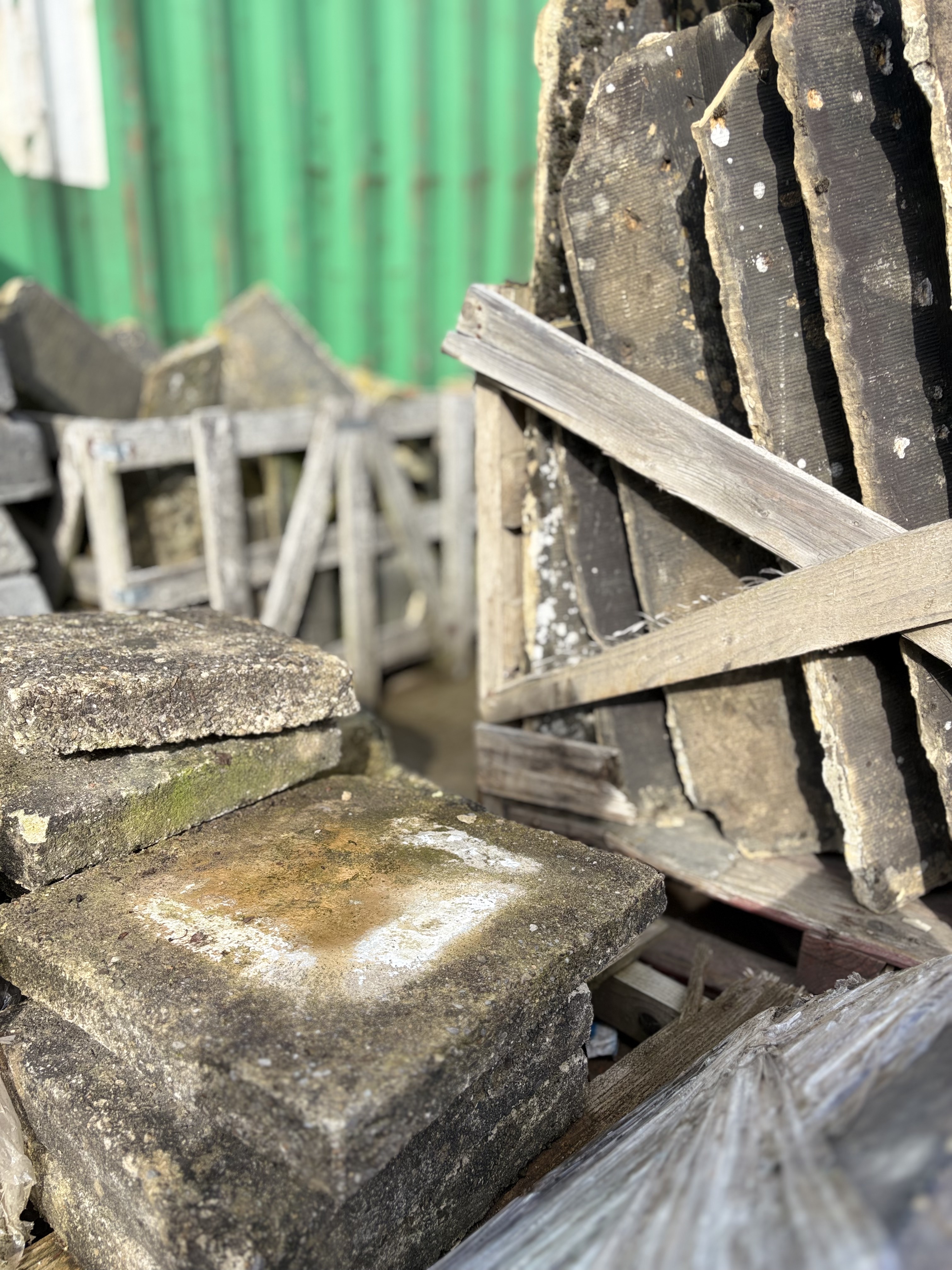
Reclaimed Stone in Modern Design: Why Natural Materials Are Surging in Popularity
Natural stone is one of the oldest materials in British building, yet it is becoming increasingly relevant to contemporary interiors, renovations and landscaping. Reclaimed stone adds something more: genuine age, texture, weathering and history.
Natural materials are becoming increasingly visible across British interiors, renovations and landscaping projects.
Among them, stone is enjoying renewed attention.
From internal feature walls and flooring to garden landscaping, paving and architectural details, natural stone offers a combination of texture, durability and character that can be difficult to reproduce with more uniform modern alternatives.
Stone that has already spent decades in use can offer something new material often cannot: genuine weathering, natural variation and a visible sense of history.
Interest in natural stone is growing
Recent UK design search data points towards a noticeable increase in interest in natural materials.
Houzz's 2026 analysis of UK search behaviour recorded these increases.
These figures measure search interest rather than direct sales, but they suggest that homeowners are increasingly looking for ways to introduce natural stone into their properties.
That renewed interest fits within a wider design trend towards materials that feel tactile, individual and connected to the natural world.
Why does stone work so well in modern design?
Stone is one of the oldest building materials, but that does not mean it only belongs in traditional properties.
In contemporary design, natural stone can provide contrast against smooth plaster, glass, steel and modern joinery.
Its irregular surface, changing colour and visible texture can prevent a room or exterior space from feeling overly uniform.
The stone may have been used before, but its next application can be entirely contemporary.
Reclaimed stone already has character
One of the defining characteristics of reclaimed stone is that time has already changed it.
Edges may have softened. Surfaces may show weathering, tooling marks, colour variation or signs of previous use.
Those features are not necessarily defects. In many projects, they are precisely what makes the material attractive.
New stone can eventually develop similar characteristics, but reclaimed material offers that established appearance immediately.
For homeowners trying to create a space with depth and individuality, genuine ageing can be difficult to replicate artificially.
Stone is closely connected to place
Natural stone can vary enormously depending on geology and where it was originally quarried.
Colour, grain, density, mineral content and weathering characteristics can all differ between regions.
That variation has helped shape the appearance of Britain's historic buildings and landscapes.
Historic England has highlighted the importance of traditional and locally appropriate materials in maintaining the character of older buildings.
For restoration work, reclaimed stone from the right area or geological type may therefore be particularly useful where a sympathetic match is required.
Where can reclaimed stone be used?
Reclaimed stone covers a wide range of materials and products, meaning its potential uses are equally varied.
Suitability will always depend on the type, condition and intended use of the stone, but the range of applications helps explain why reclaimed stock can appeal to both traditional and modern projects.
Reclaimed stone can transform outdoor spaces
Landscaping is one of the most obvious uses for reclaimed stone.
Old paving, walling stone, setts and architectural pieces can introduce an established feel to a garden immediately.
Freshly installed materials can initially look visually new and untouched.
Weathering and surface variation can help a scheme settle visually into its surroundings.
New landscaping can sometimes look extremely clean when first completed. Reclaimed stone can help soften that effect because its surface has already been shaped by weather and previous use.
It can work particularly well alongside planting, timber and traditional brickwork, where variation and texture are often desirable.
It can work just as well indoors
Reclaimed stone is not limited to exterior projects.
Internally, stone can provide texture and visual weight within a room.
Natural variation and texture underfoot.
A strong focal point with genuine material character.
Texture and depth without covering an entire interior.
Historic material used selectively within modern rooms.
In modern interiors, reclaimed stone can be especially effective when used selectively rather than throughout the entire room.
A single stone feature can create contrast without making a contemporary space feel overly traditional.
Matching old stone can be difficult
Stone is also one of the materials where careful matching can be particularly important.
Two products may both be described as sandstone, for example, while differing noticeably in colour, grain and weathering once placed alongside one another.
Where an existing wall, floor or building requires repair, reclaimed stone can sometimes provide a closer visual match than newly quarried material.
This is particularly relevant where traditional stone is no longer readily available from its original source.
Dimensions, geology, condition and suitability should still be assessed carefully rather than relying on colour alone.
Weathering can be part of the value
Stone changes gradually as it is exposed to the environment.
Rain, frost, sunlight, vegetation and decades of use can all alter the surface.
That weathering can create subtle colours and textures that are difficult to reproduce convincingly on a newly manufactured product.
In reclaimed stone, those characteristics are the result of actual exposure, use and time.
For projects where the intention is to create an established or sympathetic appearance, that can be a significant advantage.
Reusing stone keeps an existing resource in circulation
There is also a straightforward resource argument for reclaiming stone.
A substantial piece of stone does not necessarily stop being useful simply because the building or landscape it formed part of is being altered.
Where material can be recovered safely and remains suitable for another application, reuse can extend its useful life rather than immediately replacing it with newly extracted material.
This fits within the wider movement towards circular construction, where existing materials are increasingly viewed as resources rather than automatically entering the waste stream.
Reclaimed does not automatically mean suitable
The age and appearance of reclaimed stone can be attractive, but condition still matters.
Stone may have cracks, damaged edges, surface deterioration or contamination from its previous use.
- Stone type
- Condition
- Cracks or damaged edges
- Surface deterioration
- Previous use
- Dimensions and thickness
- Intended application
- Any structural or conservation requirements
The intended application also matters. Material suitable for landscaping may not necessarily be appropriate for structural or specialist conservation work.
Buyers should therefore consider condition, dimensions, type and intended use rather than choosing solely on appearance.
For significant structural or heritage applications, suitable professional advice may be required.
Better stock information makes stone easier to buy
Natural variation is one of reclaimed stone's strengths, but it can also make online purchasing more difficult.
A description such as “reclaimed stone” tells a buyer very little.
A useful reclaimed-stone listing can include:
The more accurately reclaimed stone is documented, the easier it becomes for buyers to judge whether a particular batch could be appropriate for their project.
Old stone can belong in new architecture
Perhaps the most interesting part of the current natural-material trend is that it is not restricted to historic restoration.
Reclaimed stone can sit comfortably within modern extensions, minimalist interiors and contemporary gardens.
Historic texture contrasted with modern transparency.
Aged flooring beneath cleaner contemporary forms.
Established material within a newly designed outdoor space.
Its age creates contrast rather than conflict.
That makes reclaimed stone useful not only for preserving old buildings, but for giving new ones more character.
Historic material can still belong in modern British design
The growing interest in natural stone reflects a broader desire for materials with texture, variation and individuality.
Reclaimed stone already possesses those qualities.
Its previous life can provide weathering and character, while careful reuse keeps an existing material in circulation for longer.
Whether used to repair an old building or become part of an entirely new design, reclaimed stone demonstrates how historic materials can continue to have relevance in modern British homes.
Have reclaimed stone or building materials to sell?
Quality stone from demolition, renovation, landscaping or surplus stock could have another project ahead of it.
Sell Reclaimed Materials →