
Irani Rugs: The Complete UK Buyer's Guide to Authentic Iranian Carpets
2026-04-22
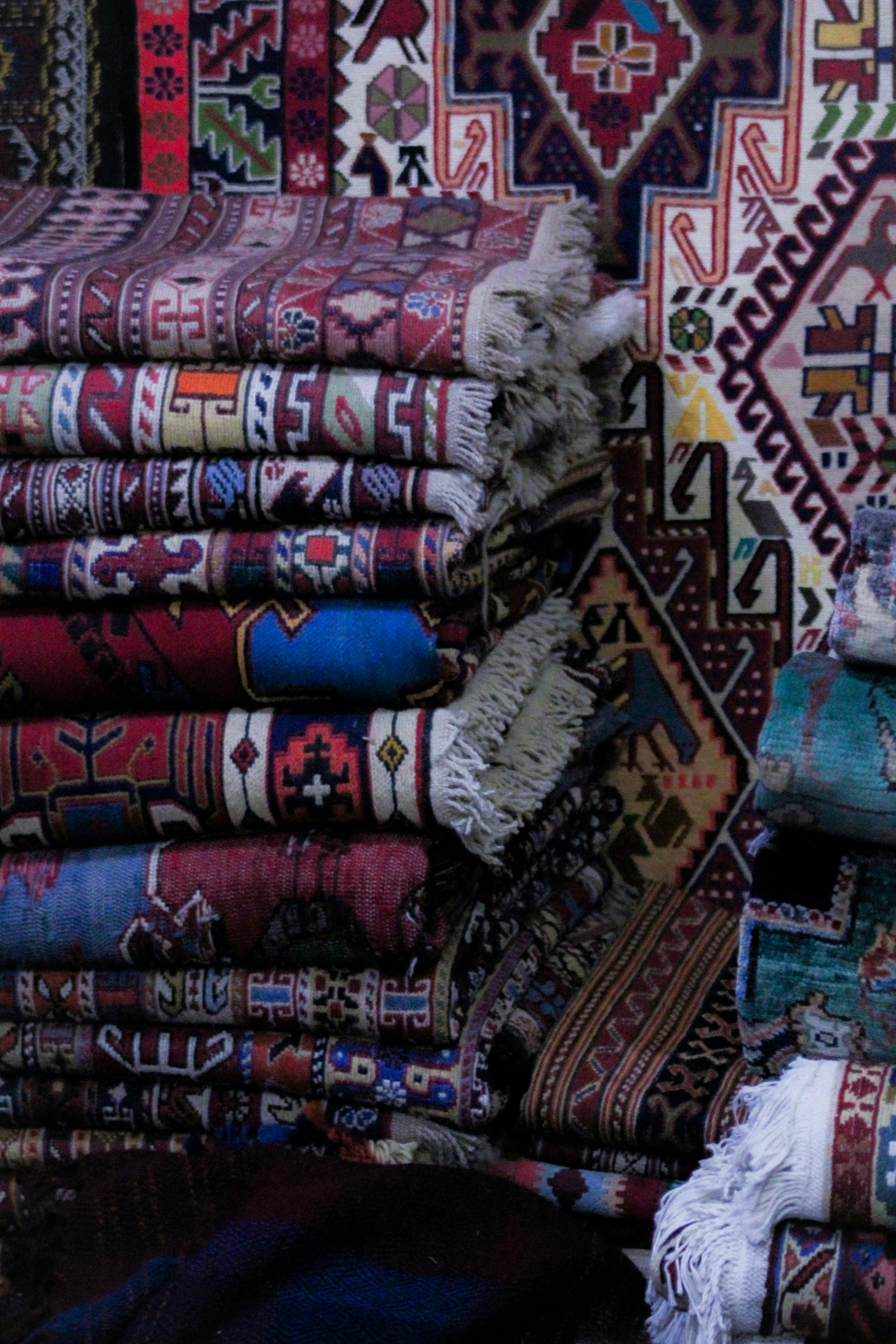
Iranian and Persian Rugs: What Buyers and Sellers Should Check Before a Purchase
Hand-knotted Iranian and Persian rugs can bring colour, craftsmanship and genuine age into an interior. But online descriptions vary widely, so buyers and sellers benefit from being precise about origin, construction, condition and provenance.
Older rugs are very different from standard modern floor coverings.
They may have been woven by hand, used for decades, repaired, resized, restored or passed between several owners before appearing on the market again.
A label such as “Persian”, “Iranian” or “antique” should be supported by the construction, condition and information available for the individual rug.
That makes detailed listings particularly valuable in a marketplace where each piece may be unique.
Persian, Iranian and hand-knotted are not interchangeable terms
“Persian rug” is widely used for rugs associated with the historic weaving traditions of Iran, while “Iranian rug” is a broader geographical description.
For a buyer, the more useful questions are practical.
If a seller cannot support a precise regional attribution or date, it is better to describe the rug more cautiously than present an uncertain claim as fact.
Construction tells you more than marketing language
How a rug is made can affect its appearance, durability and value.
Individual knots form the pile and the pattern can usually be read from the reverse.
Woven without a raised pile, often lighter and visually more graphic.
A common material in traditional rugs, valued for resilience and texture.
Can produce finer detail, but material identification should be supported rather than assumed from appearance alone.
Regional names can be useful, but attribution requires care
Names such as Tabriz, Kashan, Isfahan, Heriz, Bidjar, Qom and Qashqai appear regularly in the rug market.
Those names can refer to places, weaving traditions or broader market categories, but an online listing should avoid overly precise attribution unless there is a reasonable basis for it.
“Believed to be Tabriz, based on seller information” is more credible than presenting an uncertain regional attribution as guaranteed fact.
What should buyers inspect when assessing a hand-knotted rug?
No single visual test proves authenticity on its own, but several details can help a buyer understand how a rug has been made.
Photographs of the back can reveal the knot structure and how clearly the design carries through.
These areas can show how the rug is constructed and whether later alterations have been made.
Wear, repairs and re-binding are often easier to see around the perimeter.
Close-ups can show wear, colour variation, restoration and differences in pile height.
For valuable or uncertain rugs, specialist assessment is more reliable than trying to identify origin or age from one photograph.
Age should be described carefully
Terms such as antique and vintage are frequently used in furniture and textile listings, but age can be difficult to establish where documentation has been lost.
Receipts, collection records, labels, family provenance or specialist assessment may help.
Where evidence is limited, estimated period is more appropriate than an exact date.
Condition can have more impact than age alone
An older rug may remain highly usable, but damage and repairs should be visible and described honestly.
Look for areas where the pile is significantly lower or the foundation is showing.
Reweaving, patching and later edge repairs may affect appearance and value.
Damage here can worsen if left untreated.
Past storage, moisture or use can leave issues that photographs do not always reveal.
A strong rug listing should separate known facts from seller opinion
Online rug listings are much easier to trust when they include practical information rather than relying only on labels such as “rare”, “investment quality” or “museum piece”.
Hand-knotted wool rug with visible wear consistent with age. Regional attribution is unverified. Minor edge repair and some pile wear shown in photographs. Exact age unknown. Previously owned by the seller's family. Collection preferred.
This kind of description gives a buyer useful information without overstating what is known.
Provenance can add useful context when it is genuine
For older decorative objects, history can become part of the appeal.
A rug may have remained in one family, formed part of a documented collection or been purchased from a known dealer.
Receipts, labels, old photographs and previous ownership records can all be more useful than an unsupported story added at the point of sale.
Why rug values can vary enormously
There is no reliable universal price guide for Iranian or Persian rugs because the market covers everything from decorative modern pieces to rare historic textiles.
Some rugs may be valuable or collectible, but resale value depends on the individual piece and the market at the time. Buyers should not assume that age, origin or hand-knotting guarantees future appreciation.
Older rugs benefit from careful handling
Maintenance should take account of fibre type, condition, dye stability and age.
Avoid aggressive brushing on fragile or worn pile.
Blot rather than scrub and seek specialist advice for valuable pieces.
Prolonged direct light can contribute to uneven fading.
Older hand-knotted rugs may need methods different from standard domestic carpet cleaning.
A marketplace should make unique rugs easier to compare
The Reclaimed Company may feature listings from private sellers, dealers and other businesses rather than controlling every item itself.
That means the quality of individual listing information matters.
Dimensions, construction, condition, reverse photographs and clearly stated provenance give buyers much more useful information than broad claims about rarity or investment value.
A good rug listing should make the object easier to understand
Iranian and Persian rugs can carry genuine craftsmanship, age and cultural history.
That is exactly why accuracy matters.
Buyers should be able to distinguish what is known, what is estimated and what still requires specialist confirmation.
The strongest listing is not the one making the biggest claim. It is the one that shows the rug clearly and describes it carefully.
Have a reclaimed, vintage or older rug to sell?
Well-described furniture, textiles and architectural pieces can be made easier for new buyers to discover.
Visit The Reclaimed Company →