
Why Reclaimed Materials Vary in Colour, Size and Finish
2026-09-03
Why Reclaimed Materials Vary in Colour, Size and Finish
Reclaimed building materials rarely look completely identical. Differences in colour, dimensions, texture and finish can result from how materials were originally made, where they were used, how they have weathered and what has happened to them since they were removed.
Variation is one of the most recognisable characteristics of reclaimed building materials.
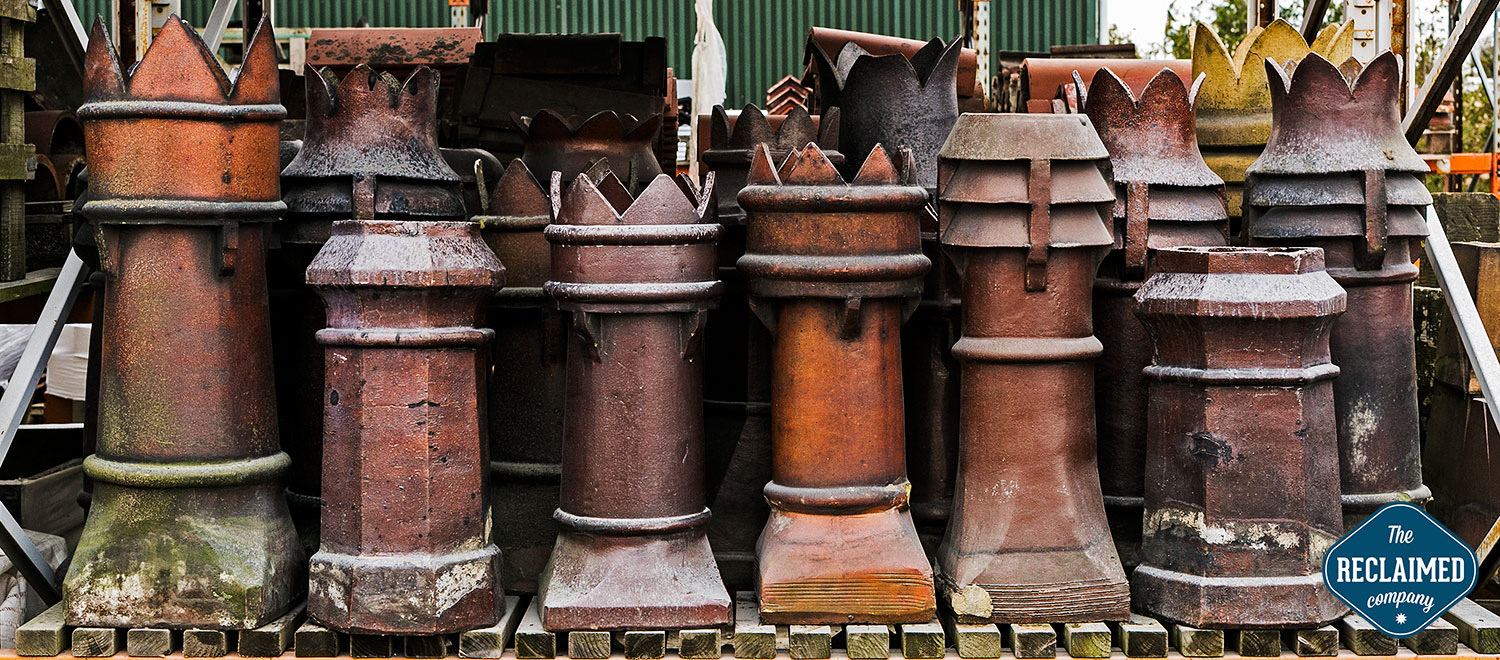
A batch of bricks may contain several shades of red. Roof tiles from the same building may show different levels of weathering. Pieces of timber can vary in tone, grain and surface condition, while reclaimed stone may differ naturally from one piece to another.
These differences are not automatically signs of poor quality. In many cases, they are part of what gives reclaimed materials their established appearance and individual character.
The important question is not whether variation exists, but how much variation there is and whether it is suitable for the intended project.
What can vary?
Reclaimed materials can differ in several ways, even within a single batch.
Firing, weathering, previous use and surface deposits can all influence visible colour.
Historic manufacturing and natural wear can result in dimensional differences.
Faces may be smooth, rough, creased, worn, pitted or naturally irregular.
Age, previous installation, cleaning and exposure can create noticeably different finishes.
Historic manufacturing was less uniform
Modern manufacturing can produce building materials to highly consistent dimensions, colours and finishes.
Older production methods were often less standardised. Handmade processes, smaller-scale production and differences between individual manufacturers could all result in greater variation.
Differences that would look unusual in a modern manufactured product may be entirely characteristic of an older reclaimed material.
The original material itself can vary
Building materials are made from natural resources, and those resources are not always completely uniform.
Clay, stone and timber can all differ according to where they originated and the characteristics of the raw material.
Different clay sources and firing conditions can influence the colour and character of bricks and tiles.
Natural stone can contain differences in colour, grain, pattern and surface appearance.
Species, grain, knots, growth and previous treatment can create substantial visual variation.
Natural slate can differ in thickness, texture, tone and surface character.
Reclamation preserves many of the differences that existed when the material was originally produced or extracted.
Age changes appearance
Building materials can change considerably over decades of use.
Surfaces become worn, edges soften and colours may change as materials are exposed to their surrounding environment.
Sharp edges may become softer or more irregular over time.
Repeated exposure and use can alter the original surface finish.
Weathering, dirt and previous conditions can alter visible colour.
Fixing holes, marks and other features may remain from an earlier installation.
Established weathering can create desirable character, but reclaimed materials should still be inspected for cracks, deterioration or other damage that could affect their suitability.
Weathering is rarely completely even
Materials from the same building may have experienced very different conditions.
One elevation may have received more sunlight, wind or rain than another. Roof tiles on exposed areas may have weathered differently from those in more sheltered positions.
Surfaces can experience different levels of long-term exposure depending on orientation.
Some parts of a structure may have been exposed to more direct rainfall than others.
Weather-facing elevations can develop a different appearance from protected areas.
Materials under eaves or within sheltered areas may retain a different finish.
Two materials can have come from the same building and still show noticeably different levels of weathering.
Previous use leaves its mark
Reclaimed materials have already formed part of another building, structure or space.
Their previous use can leave visible evidence that becomes part of their reclaimed appearance.
Bricks, stone and tiles may retain traces of previous bedding or pointing material.
Timber and other materials may show nail holes, screw holes or previous fixing positions.
Previous decorative or protective finishes may remain partly visible.
Flooring, paving and architectural materials can develop distinctive areas of wear.
Cleaning and preparation can affect the finish
Reclaimed materials often need some level of preparation after removal.
Mortar may be removed from bricks, timber may be cleaned, and stone or tiles may have loose surface material removed before resale.
Some reclaimed materials may be fully cleaned and ready for installation, while others may still require preparation. Listings should make the condition clear.
One batch can contain several different appearances
Reclaimed materials should rarely be judged from one carefully selected example.
A batch may contain natural differences in tone, texture, dimensions and weathering.
A close-up can show texture, markings, edges and surface condition.
A wider photograph shows the actual mix of colours, finishes and conditions a buyer can expect.
Good reclaimed listings should give buyers a realistic understanding of variation across the material being sold.
Variation matters when matching existing materials
Natural variation can be attractive, but it becomes especially important when reclaimed materials are being used for repairs or extensions.
Colour alone is rarely enough to determine whether two materials will sit naturally together.
Compare actual measurements with the existing material.
Look at the overall batch rather than one individual piece.
Compare smoothness, weathering, grain and other visible characteristics.
Profile and manufacturing character can strongly influence the finished appearance.
A perfect colour match can still look wrong if the dimensions, texture and surface character are noticeably different.
What should sellers show?
Variation makes accurate descriptions and photographs particularly important when selling reclaimed materials.
Include photographs showing the overall quantity and range of appearances.
Show texture, edges, weathering and other surface details clearly.
Provide actual dimensions rather than relying only on general product descriptions.
Describe dominant colours and any noticeable variation throughout the batch.
Show chips, cracks, residue, wear and other relevant characteristics.
Explain whether materials have been cleaned or require further work.
State how much material is available as accurately as possible.
Include useful information about previous use or recovery location where known.
What should buyers check?
Buyers should consider whether the level of variation within a batch works for their particular project.
Look across multiple pieces rather than relying on one photograph.
Understand whether natural size differences could affect installation.
Repairs may require closer matching than a project intentionally using varied materials.
Distinguish desirable character from deterioration or damage.
For many projects, subtle differences in colour, texture and finish are exactly what makes reclaimed material visually interesting.
Variation is part of the reclaimed story
Reclaimed building materials have already been manufactured, installed, exposed, used and recovered.
That history can be visible in their colour, dimensions, texture, edges and overall finish.
Understanding why those differences exist helps sellers describe materials more accurately and helps buyers decide whether a particular batch is right for their project.
Reclaimed materials are rarely about perfect uniformity. Their value often lies in preserving the differences that give them genuine character.
Looking for reclaimed building materials?
Explore reclaimed bricks, roof tiles, timber, stone and other salvaged materials listed for reuse in repair, restoration and new projects.
Explore Reclaimed Materials →