
How to Buy Reclaimed Building Materials: What to Check Before You Purchase
2026-09-03
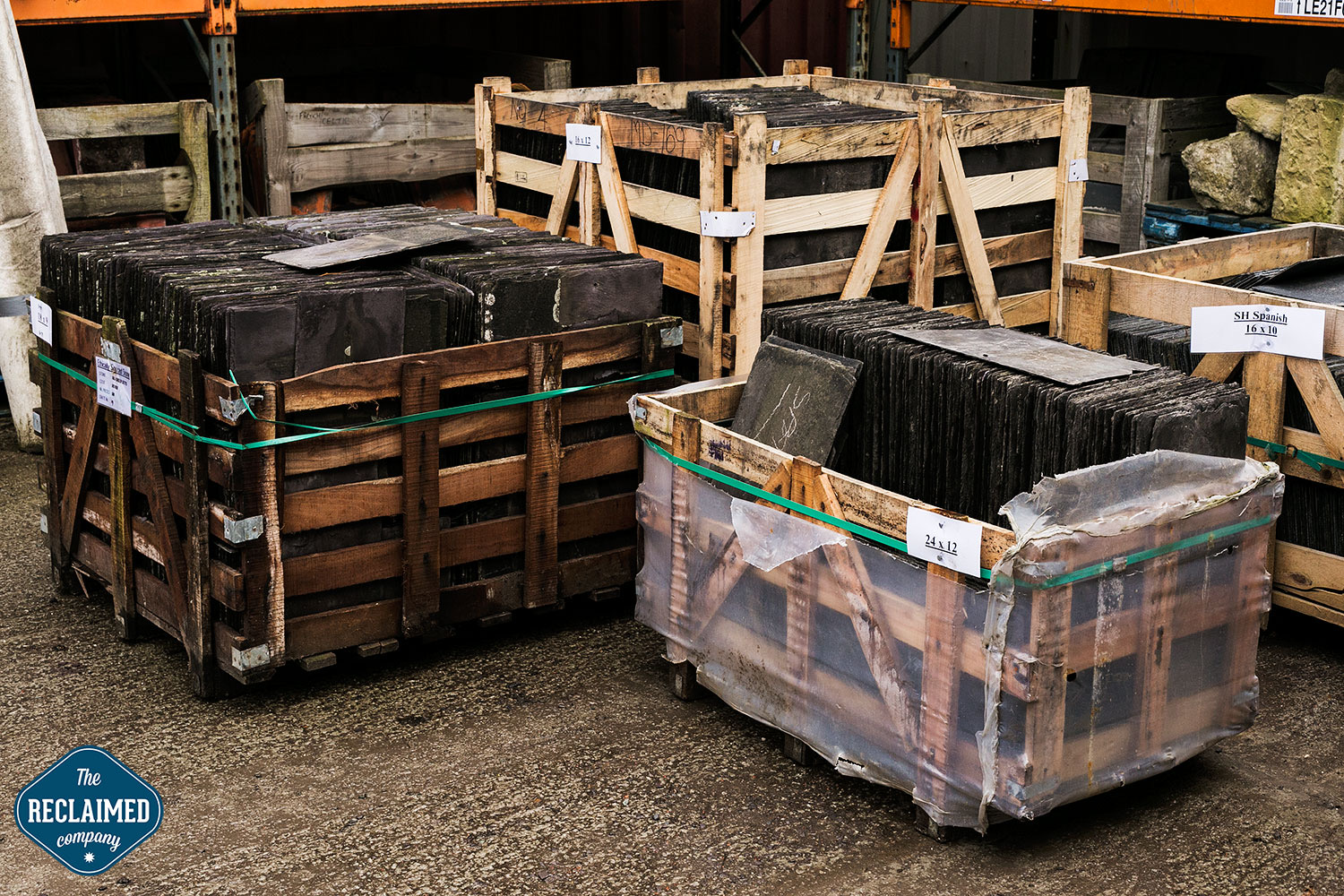
How to Buy Reclaimed Building Materials: What to Check Before You Purchase
Reclaimed materials are naturally different from standardised new products. Age, previous use, dimensions, condition and availability can all vary, which makes checking the details an important part of buying well.
Buying reclaimed building materials can give you access to products with character, history and qualities that may be difficult to find new.
But buying reclaimed is also different from ordering a standard product from a conventional catalogue.
Two batches described as the same type of brick, stone, timber or tile may differ considerably in appearance, dimensions and condition.
A good reclaimed purchase starts with understanding exactly what is being offered and whether it is suitable for your particular project.
Taking a little more time before purchasing can help you find materials that are genuinely appropriate for what you are trying to achieve.
Start with the dimensions
Measurements are one of the most important things to check when buying reclaimed materials.
Older building products do not necessarily follow the dimensions used by equivalent modern products.
Historic brick sizes can vary between periods, regions and manufacturers.
A small difference can affect how replacement materials sit alongside an existing roof.
Nominal descriptions may not tell you the exact dimensions of an older piece.
Natural and previously worked stone may contain significant variation within a batch.
Never assume that an older material will match a modern standard size simply because it has the same general product name.
Understand the condition
Reclaimed materials have already had a previous life.
Wear, weathering and variation can be part of their appeal, but buyers should still understand the condition of the actual material being offered.
Ageing, softened colour and surface variation may be expected.
Fixing marks, mortar residue, paint or other evidence of an earlier application may remain.
Check for cracks, chips, rot, excessive wear or other defects relevant to the material.
Condition needs to be considered in relation to what you intend to use the material for.
Patina and weathering can be desirable characteristics. The important distinction is between character that suits the project and deterioration that affects the material's intended use.
Check the quantity carefully
A perfect material is not much use if there is not enough of it to complete the job.
This can be particularly important with reclaimed materials because an identical additional batch may not always be available later.
Reclaimed stock can be finite. Once a particular batch has been sold, finding exactly the same material again may be difficult.
Look closely at the photographs
Photographs are particularly valuable when buying reclaimed materials because variation is often part of the product.
Ideally, a listing should help you understand both the overall batch and the details within it.
Wider photographs can help show quantity, general colour, consistency and overall condition.
Closer photographs can reveal texture, weathering, markings, edges and imperfections.
If something important cannot be understood from the photographs or description, ask the seller for more information before making a decision.
Expect some variation
Uniformity is often a feature of newly manufactured materials.
Reclaimed materials can be different.
Products are generally manufactured to achieve consistent dimensions, colour and finish.
Age, manufacture, weathering and previous use can create differences within a batch.
That variation may be exactly why the material is attractive, particularly when working with an older building or trying to create a less uniform finish.
Judge reclaimed materials according to the character you want from the finished project rather than expecting every individual piece to be identical.
Consider where the material came from
Information about the origin of reclaimed material can sometimes be particularly useful.
A seller may know the building, region, manufacturer, approximate period or previous application from which a material came.
Provenance will not be available for every reclaimed product, and buyers should distinguish between information that is known and information that is assumed.
Think about collection and delivery
Building materials can be heavy, bulky and difficult to transport.
A listing may look ideal until the practicalities of moving the material are considered.
Check where the material is actually stored.
Understand whether you will need to arrange your own vehicle or transport.
If delivery is offered, establish the arrangements and any associated cost.
For larger quantities, consider how the material will be loaded and unloaded.
For heavy materials such as bricks, stone and roof tiles, logistics can be just as important as the purchase price.
Make sure it is suitable for the job
A material can look perfect and still be unsuitable for a particular application.
The requirements will depend on what is being purchased and how it will be used.
For structural work, listed buildings, specialist conservation or applications where performance is critical, appropriate professional advice may be required.
Remember that you are buying from individual sellers
Reclaimed is a marketplace, which means materials can be listed by different independent sellers rather than coming from one central stockholding.
That is what allows a marketplace to bring together a much wider variety of materials, but it also makes the information within each individual listing important.
Clear communication with the seller can help resolve questions about dimensions, condition, quantity, collection and other details before you commit.
Your reclaimed buying checklist
Before committing to a reclaimed material, work through the information that matters for your project.
Have I checked the actual measurements?
Is there enough available for the complete project?
Do I understand the wear, damage and variation?
Have I looked carefully at both the batch and close-up details?
Does the colour, texture and profile suit what I need?
Is provenance important to this particular project?
Do I understand collection, delivery and transportation?
Is the material appropriate for its intended use?
Good information makes reclaimed easier to buy
The unique nature of reclaimed materials does not need to make purchasing complicated.
It simply makes accurate information more important.
Buying reclaimed confidently is not about removing every variation. It is about understanding the material well enough to know whether that variation works for you.
A little checking can make a big difference
Reclaimed materials can offer characteristics that standardised new products often cannot.
But those characteristics also mean that dimensions, condition, quantity, appearance and provenance can vary from one listing to another.
Review the listing carefully, consider the practicalities and communicate with the seller when additional information is needed.
The aim is not simply to find an old material. It is to find the right reclaimed material for your project.
Ready to see what is available?
Browse reclaimed building materials from independent sellers and discover products for repair, restoration, renovation and design projects.
Browse Reclaimed Materials →