
Black Sideboards: The Complete Buyer's Guide to Vintage, Antique & Reclaimed Pieces
2026-04-22
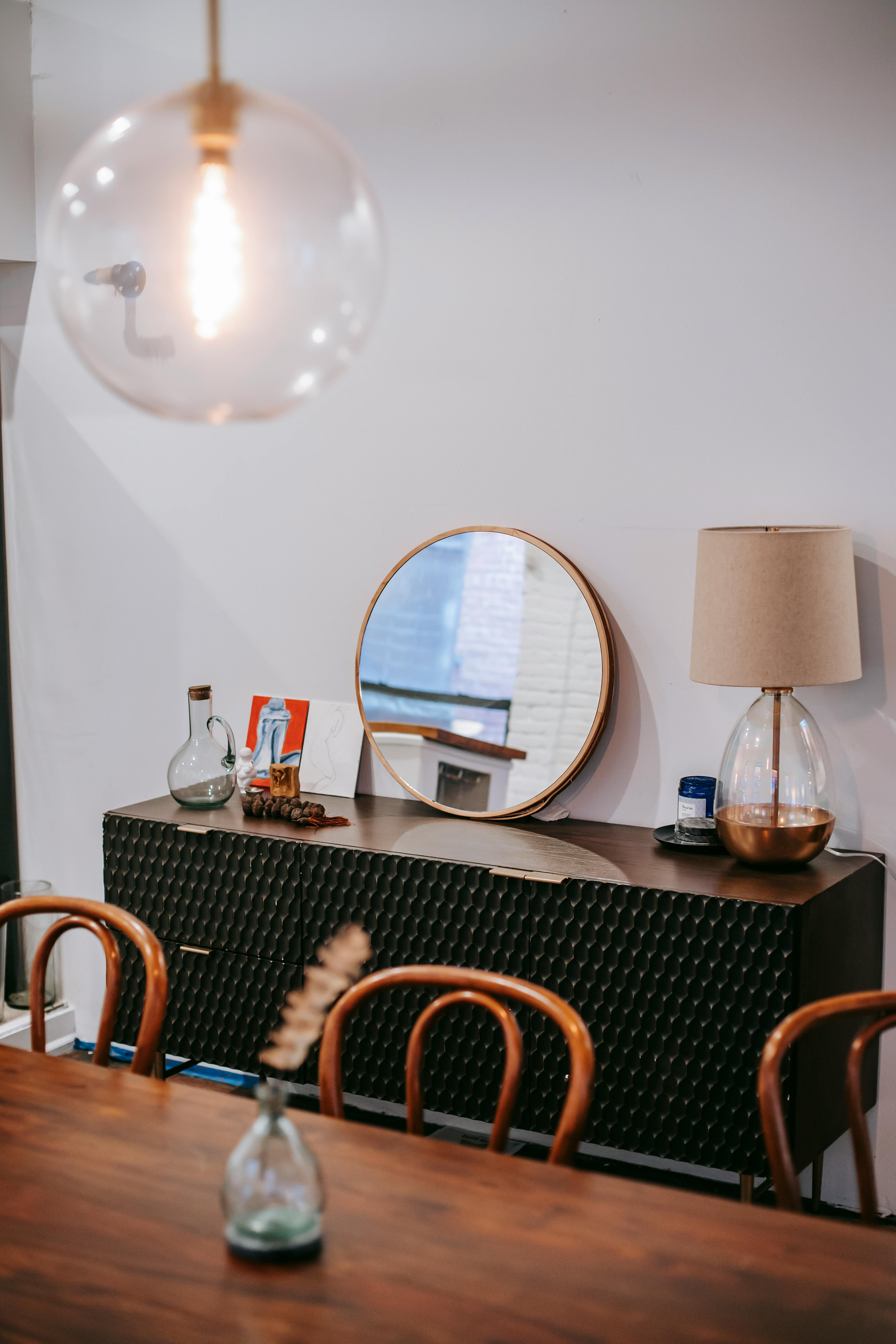
Black Sideboards: What to Look For in Vintage, Antique and Reclaimed Pieces
Black sideboards can work across traditional, industrial and contemporary interiors. But the most interesting pieces are about more than colour — construction, original material, finish, condition and previous alterations all matter.
A black sideboard might be an original ebonised antique, a later painted piece, a mid-century cabinet with a dark finish or a newer sideboard made from reclaimed timber.
Those pieces can look similar in a photograph while being very different in age, construction and value.
“Black” describes the appearance. It does not tell you whether the finish is original, what timber sits underneath it or how old the furniture actually is.
For buyers and sellers, the most useful listings make those differences clear.
Not every black sideboard is the same type of furniture
Older furniture may have been deliberately darkened to imitate the appearance of ebony while still allowing some timber character to show through.
An older sideboard may have been repainted during its life, either professionally or by a previous owner.
Some twentieth-century pieces use lacquer, stain or other finishes rather than conventional paint.
More recent pieces may combine salvaged timber with a black painted, stained or oiled finish.
Original finish and later paint should be described differently
One of the most useful things a seller can establish is whether the black finish appears original to the piece or was applied later.
Original ebonising, lacquer or paint can form an important part of how an older piece is understood.
A later painted finish can still look excellent, but buyers should know that it is not necessarily original.
“Black painted finish, date of application unknown” is more useful than presenting an altered piece as an original black antique without evidence.
The material underneath the finish still matters
A black surface can hide much of the timber, so buyers should look beyond colour when assessing construction and quality.
Oak, pine, mahogany and other timbers can all appear beneath black finishes.
Many well-made period and mid-century pieces use veneer as part of legitimate cabinet construction.
Drawer sides, backs, carcasses and fronts may use different materials.
Old fixing holes, saw marks, wear and colour variation may remain visible beneath or around the finish.
Black works across very different furniture styles
The colour may be consistent, but shape and construction usually reveal more about the character of the piece.
That variety is one reason black sideboards can work in very different interiors without all looking the same.
What should buyers check before purchasing?
Depth is especially easy to overlook. A sideboard can fit a wall perfectly in width while projecting much further into a room than expected.
- Doorway widths
- Hallway and stair turns
- Whether legs or upper sections detach
- Total weight and lifting requirements
- Where the piece will be positioned once inside
Black finishes can both reveal and disguise condition
Dark paint and lacquer show scratches, chips and edge wear clearly in some light, but they can also conceal older repairs or changes to the underlying timber.
Look for ring marks, scratches, heat damage and later touch-ups.
Make sure they open properly and do not bind badly against the carcass.
These areas can reveal repairs, material changes and construction details.
Uneven sheen, brush marks and overspray can indicate later refinishing.
Handles and hardware can change how a sideboard is understood
Original handles can contribute to the integrity of an older piece, while replacement hardware may form part of a later restoration or redesign.
A useful listing should say whether handles, hinges or locks are believed to be original, replacement or simply unknown.
There is nothing inherently wrong with replaced hardware. The important thing is that buyers know what has changed.
Good listings make distinctive furniture easier to sell
Sideboards are bulky purchases, so buyers need enough information to judge both appearance and practicality before arranging collection or delivery.
Solid timber sideboard with later black painted finish. Three drawers and two cupboards. Replacement brass handles. Light surface wear and small chips to paint shown in photographs. Structurally stable. Collection preferred; dimensions should be checked against access before purchase.
Photographs should show more than the front
Shows proportion, symmetry and overall finish.
Important for showing scratches, stains and finish wear.
Helps buyers understand storage layout and internal condition.
Can reveal construction, age clues and previous repairs.
The stronger the photography, the less a buyer has to rely on descriptive words such as “excellent”, “original” or “rare”.
Why black sideboard prices can vary so much
Colour alone has little bearing on value. The underlying furniture matters far more.
A repainted pine sideboard, an original ebonised cabinet and a recognised mid-century design may all be black, but they belong to very different parts of the furniture market.
Older furniture can remain useful without being frozen in time
Reusing an existing sideboard keeps the furniture itself in circulation and can avoid replacing a functional piece unnecessarily.
Some buyers will prioritise originality. Others may prefer a well-executed later finish that makes an older piece work in a new interior.
A marketplace should help buyers compare individual pieces
The Reclaimed Company is a marketplace, so furniture may be listed by different private sellers, dealers and businesses.
The platform does not physically standardise every item, which means accurate individual listings are essential.
Clear dimensions, honest condition notes, representative photographs and accurate descriptions of finish and alterations make distinctive furniture easier to assess online.
The best black sideboards have more going for them than a black finish
A strong piece may combine useful storage, good construction, an interesting period or material and a finish that suits its next setting.
Whether it is genuinely old, later painted or made from reclaimed timber, the key is understanding what the furniture actually is.
For buyers and sellers, accurate information about material, finish, condition and dimensions is more useful than any broad claim about style or value.
Have reclaimed, vintage or older furniture to sell?
Well-described furniture and architectural pieces can be made easier for new buyers to discover.
Visit The Reclaimed Company →